Quartzite Sealer Guide: How to Seal Quartzite Countertops
Written by Granite Guy Inc., Southborough, Massachusetts
Updated: January 31, 2026
Quartzite countertops are some of the hardest natural stones you can put in a kitchen. But that does not mean they are all maintenance-free.
After three decades fabricating and installing natural stone countertops across Greater Boston and MetroWest, I have learned that sealing advice is often all over the map. Quartzite is no exception. Most of what you read online misses the point entirely.
What is quartzite exactly? It is metamorphosed sandstone, one of nature's hardest materials. Some varieties like Taj Mahal are so dense I do not remember ever seeing them absorb anything. Others like White Macaubas will soak up oil faster than you would expect.
What I am sharing here is exactly what I tell clients in my Southborough showroom. By the end, you will know how to test your quartzite, whether it actually needs sealing, and how to apply sealer correctly if it does.
- Not all quartzite needs sealing — Dense varieties like Taj Mahal rarely absorb anything
- The water test tells you — If water soaks in, seal it. If it beads up, you are good.
- True quartzite does not etch — Unlike marble, acids will not damage it
- Cut edges need attention — Factory sealing does not protect sink cutouts
Jump to:
🧪 Does Your Quartzite Actually Need Sealing?
Before you buy a bottle of sealer, you need to understand something critical. Unlike marble countertops, which almost always need sealing, quartzite is unpredictable.
Some quartzites are incredibly dense. The crystalline structure is so tight that liquids cannot penetrate.
Others have a more open structure that absorbs oils and liquids readily. The only way to know for sure is to test your specific stone.
✦ The Water Test: Your Best Guide
Pour a small puddle of water on your quartzite, about the size of a quarter. Then watch what happens.
- Beads up and sits there → Already sealed or naturally dense. You are good.
- Darkens within 5 minutes → Porous. Needs 2-3 coats of sealer.
- Darkens after 10-15 minutes → Medium porosity. One coat is enough.
- Still sitting after 30 minutes → No sealing needed. Test again annually.
For a more complete picture, test with olive oil too. Some quartzites resist water but absorb oils.
✦ Ask Your Fabricator First
A skilled fabricator can assess your quartzite's porosity instantly. After thousands of slabs, I can identify this by visual texture and origin.
Crystalline, glassy surfaces typically indicate density. Softer, more matte surfaces usually mean higher porosity.
⚠️ The Good News: True Quartzite Doesn't Etch
Here is where quartzite has a major advantage over marble. True quartzite does not etch from acids.
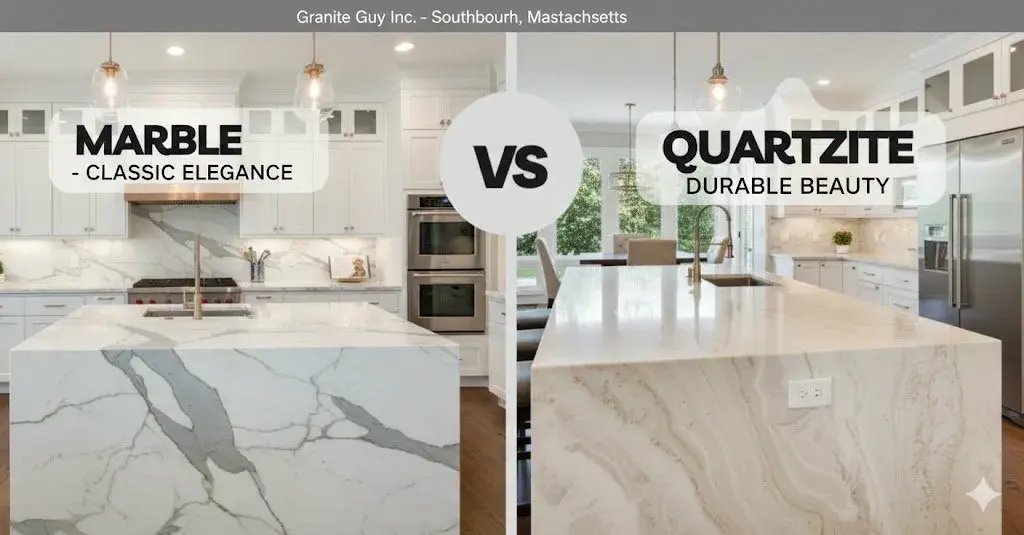
With marble, you have two problems: staining and etching. Sealer only prevents staining. Lemon juice and vinegar will still etch marble regardless of how well you seal it.
Quartzite is metamorphosed sandstone and primarily silica-based. Acids do not react with silica the way they react with the calcium carbonate in marble.
🚨 The Mislabeling Problem
If your "quartzite" is etching from lemon juice, it is not actually quartzite. I have seen this countless times in Massachusetts homes.
Many white stones from Brazil that look like quartzite are actually dolomite or marble. Super White is a perfect example.
It was sold as quartzite for years until complaints piled up. The truth is Super White is dolomite, which behaves much more like marble.
🪨 Quartzite Types and Their Sealing Needs
Different quartzites have vastly different porosity levels. Here is what I have learned from decades of working with these stones in New England.
✅ Quartzites That Rarely Need Sealing
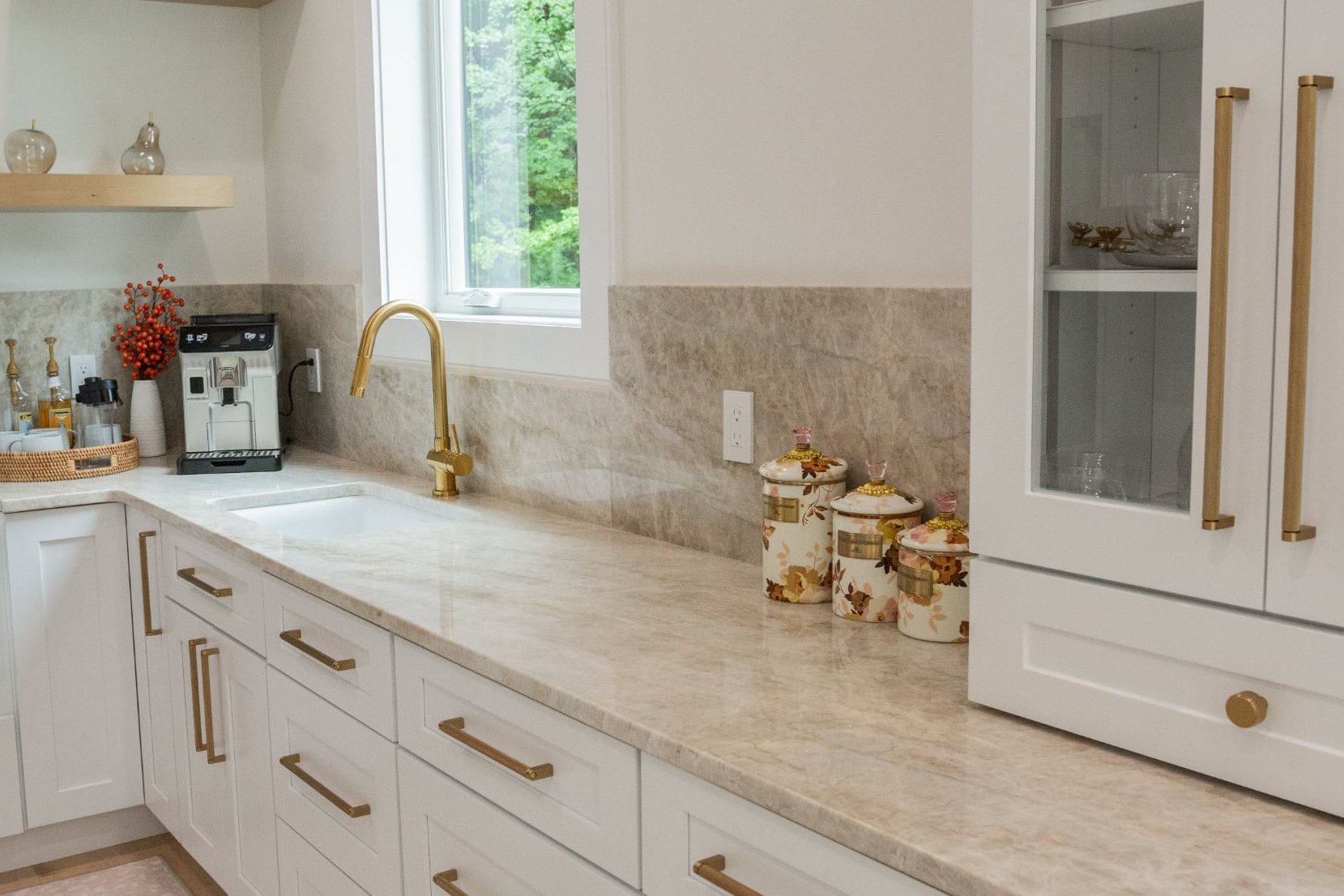
Taj Mahal (Brazil): The most popular quartzite in Massachusetts kitchens. Beautiful soft white with gold veining. I do not remember ever seeing this stone absorb anything significant.
Cristallo (Brazil): Translucent white with dramatic movement. Incredibly dense. One of the tightest crystalline structures I have worked with.
Sea Pearl (Brazil): Gray-green tones with flowing patterns. Dense and resistant.
Madre Perla (Brazil): Silvery gray with subtle movement. Naturally dense, rarely needs sealing.
⚠️ Quartzites That Need Sealing
White Macaubas (Brazil): Stunning white with gray veining. This one surprises people.
Despite being true quartzite, it has an open structure that absorbs liquids readily. Always needs sealing.
Infinity White (Brazil): Bright white with subtle gray. Similar porosity to White Macaubas. Plan on 2 to 3 coats.
Mont Blanc (Brazil): Creamy white with gold and gray tones. More porous than most expect.
Calacatta Macaubas (Brazil): Dramatic veining that resembles Calacatta marble. Beautiful stone, but needs regular attention and sealing.
🏭 The Factory Resin Factor
Most people do not realize how much stone processing has evolved. About 90% of quartzite comes from Brazil, and I have talked directly with quarry owners there about their methods.
They literally soak slabs in pools of resin. This fills natural pits and fissures and acts as a built-in super sealer.
Factory-treated quartzite often does not need additional sealing. But when we cut for sink cutouts and edge profiles, we expose raw stone that was not treated. Those cut edges need sealing.
🛠️ Step-by-Step: How to Apply Sealer
Once you know sealing is needed, here is my process after thousands of applications.
1️⃣ Step 1: Clean and Dry
Remove everything from the countertop. Clean with warm water and a few drops of dish soap.
Let the quartzite dry completely overnight. Moisture trapped in the stone prevents sealer from penetrating properly.
2️⃣ Step 2: Apply the Sealer
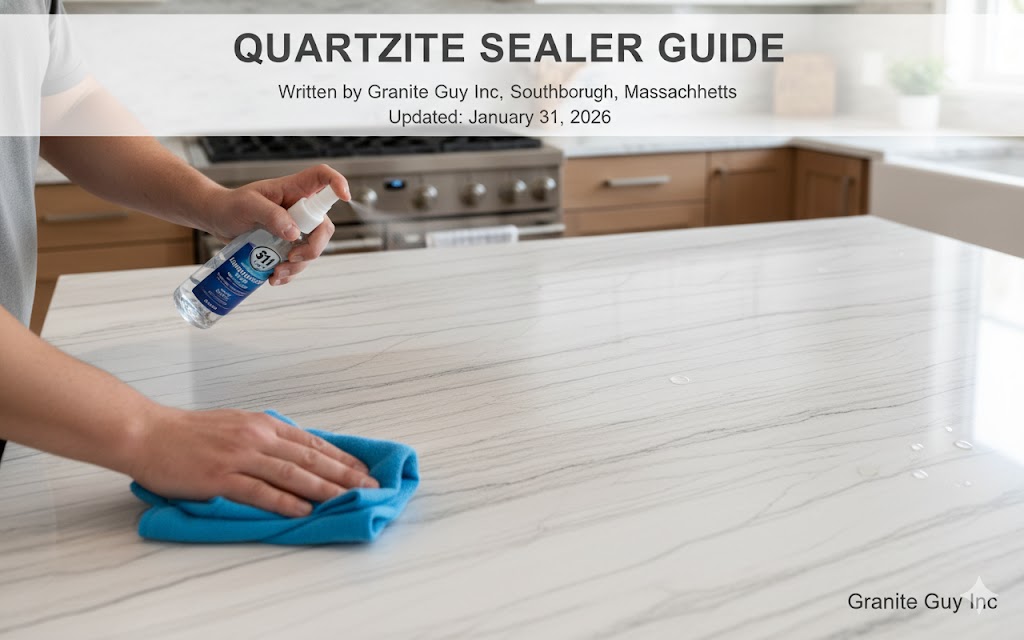
I prefer spray-on penetrating sealers because they spread evenly. Use a clean microfiber cloth to spread the sealer across the surface.
Within a minute, you should see the sealer penetrating the stone. If it is not absorbing at all, your stone probably does not need this application.
3️⃣ Step 3: Wait and Wipe
Let the sealer sit for about 10 minutes. Then wipe off all excess before it dries completely.
4️⃣ Step 4: Multiple Coats if Needed
For highly porous stones like White Macaubas, apply a second coat after 24 hours. You will know you are done when the sealer sits on the surface instead of soaking in.
5️⃣ Step 5: Cure Time
Do not use the countertop for 24 hours. No food prep, no cleaning, nothing sitting on the surface. The sealer needs time to cure and bond within the stone's pores.
🔪 Don't Forget the Edges and Cutouts
Factory sealing does not protect fabricated edges. When we cut your quartzite for sink cutouts and edge profiles, we expose raw stone that was not treated at the factory.
I have observed moisture creating problems that appear to travel through stone. In one case, moisture was entering through an unsealed sink cutout and creating wet spots far from the actual water source.
🧴 Choosing the Right Quartzite Sealer
Good news: modern sealers are all pretty effective. You do not need expensive products to get quality protection.
✦ Penetrating Sealers (What I Recommend)
Penetrating sealers absorb into the stone and fill pores from inside. They do not change the quartzite's appearance and allow the stone to breathe.
- 511 Impregnator Sealer — The blue jug at Home Depot. Reliable, affordable, around $25-30.
- DuPont StoneTech BulletProof — Excellent quality. About $40 on Amazon.
✦ Color-Enhancing vs. Non-Enhancing
Color-enhancing sealers darken and enrich your quartzite's appearance. Non-enhancing sealers keep the natural look.
Read the label carefully. If you want your white quartzite to stay bright, do not accidentally grab a color enhancer.
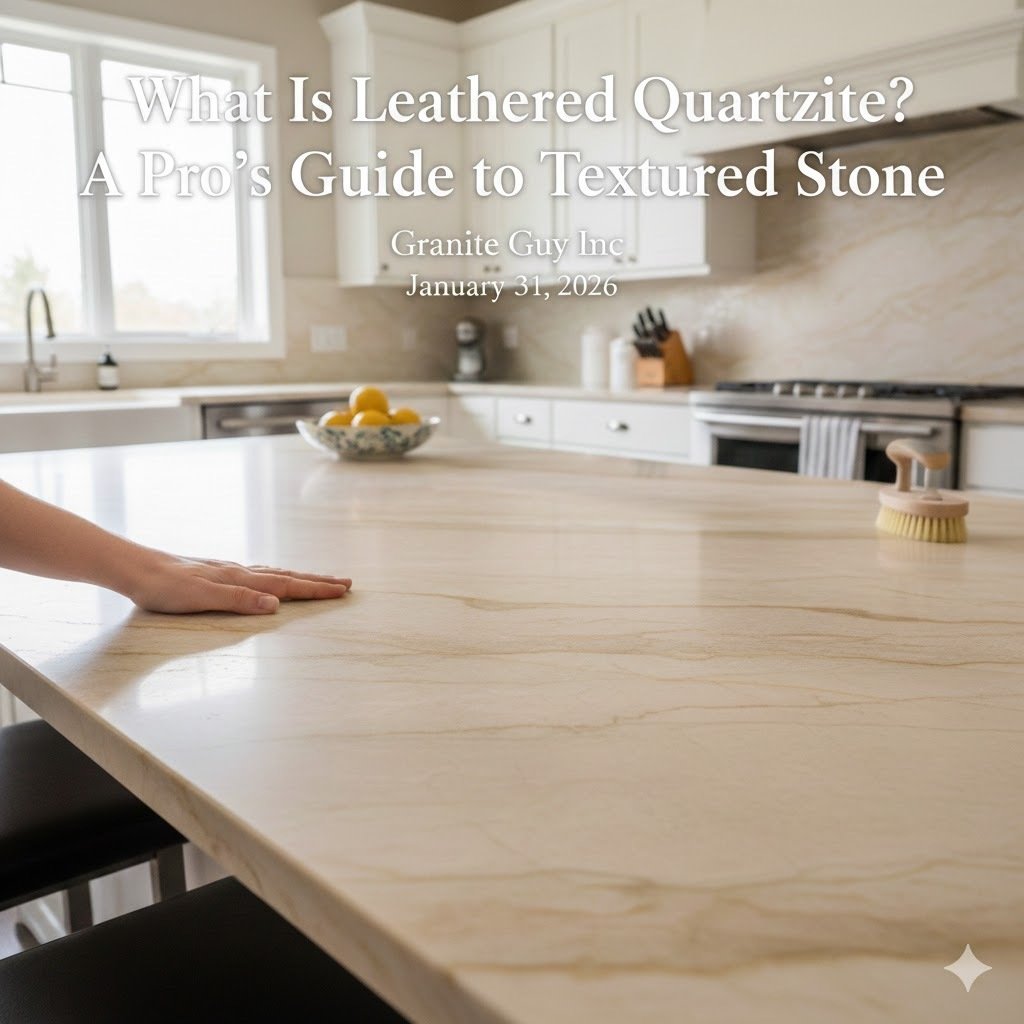
Your finish also matters. When comparing honed vs polished quartzite, honed surfaces are more porous and may need more frequent sealing. Leathered quartzite countertops fall somewhere in between and add texture that can hide minor wear.
📅 How Often Should You Reseal Quartzite?
Forget the generic "seal every 6 months" advice. It depends entirely on your specific quartzite and how you use it.
Quartzite type: White Macaubas needs more frequent sealing than Taj Mahal.
Use patterns: Quartzite kitchen countertops used daily need more attention than quartzite bathroom countertops in a guest bath. Quartzite fireplace surrounds see almost no moisture and rarely need resealing.
Cleaning products: Harsh cleaners can strip sealer faster. Stick with pH-neutral stone cleaners for best results. Knowing how to clean quartzite countertops properly extends the life of your sealer.
🆚 Quick Note: Quartz vs Quartzite
People confuse quartz vs quartzite all the time. They sound similar but they are completely different materials.
- Quartzite — Natural stone quarried from the earth. Some varieties need sealing. This article is about quartzite.
- Quartz — Engineered stone made from crushed quartz and resin. Never needs sealing because it is non-porous by design.
If you have quartz countertops, you do not need to seal them. Ever.
❓ Common Questions About Quartzite Sealing
Q. My quartzite is 5 years old and has never been sealed. Is it ruined?
A. Probably not. Do the water test immediately. If it still beads, you are fine. If it absorbs, seal it now.
Q. Can I use the same sealer on quartzite and granite?
A. Yes. Most penetrating sealers work on all natural stone. When comparing quartzite vs granite countertops, both benefit from the same sealing products. For granite-specific help, see our granite sealer guide.
Q. How do I know if my stone is real quartzite or mislabeled marble?
A. The lemon test. If it bubbles or etches the surface, it is marble or dolomite. True quartzite will not react.
Q. My quartzite has a hazy film after sealing. What happened?
A. You did not wipe off the excess before it dried. Try buffing with a clean, dry cloth first. If that does not work, use mineral spirits.
Q. Does Taj Mahal quartzite need sealing?
A. In my experience, no. It is one of the densest quartzites available. But always do the water test on your specific slab to be sure.
Q. Will sealing change the color of my quartzite?
A. Standard penetrating sealers will not change the appearance. Color-enhancing sealers will darken the color slightly.
Q. How do I remove oil stains from unsealed quartzite?
A. Try a poultice made from baking soda and water. Apply a thick paste, cover with plastic wrap, and let it sit overnight. The poultice draws oil out of the stone. May need multiple applications for deep stains.
Q. Do you seal quartzite before or after installation?
A. We seal the cut edges before installation. We then recommend clients seal the top surface once the job is complete.
💡 What to Expect From a Quality Fabricator
A good fabricator treats sealing as part of their service:
They know their materials and can assess your specific quartzite's porosity immediately.
They seal cut edges during fabrication, before your countertop is installed.
They educate you on proper maintenance without trying to sell you overpriced products.
They are honest about whether your quartzite actually needs sealing.
📋 The Bottom Line
After 30 years in this business, here is what I want every quartzite owner to understand:
Not all quartzite needs sealing. Dense varieties like Taj Mahal rarely need it. Porous varieties like White Macaubas definitely do. Test your specific stone.
True quartzite does not etch. If your "quartzite" is reacting to acids, it is mislabeled. Treat it like marble.
Modern processing helps. Many quartzites come pre-treated with resin from Brazilian factories. But cut edges still need attention.
The water test is your guide. Test every few months and reseal when water stops beading.
Your fabricator should be a resource. Find someone who knows quartzite and will help you maintain your investment.
🏠 Visit Our Southborough Showroom
Still figuring out which stone is right for you? Come see us. Nothing beats standing in front of the actual slabs, comparing colors, patterns, and finishes in person.
Stop by our countertop store at 43 Turnpike Road (Route 9), Southborough, MA 01772 during business hours. We keep a large inventory in our heated warehouse, so there is always plenty to see.
Already done your homework and know what you want? Email us or give us a call.
📞 508-460-7900
📧 info@graniteguyinc.com