Best Kitchen Countertops Massachusetts: A 30-Year Fabricator’s Guide
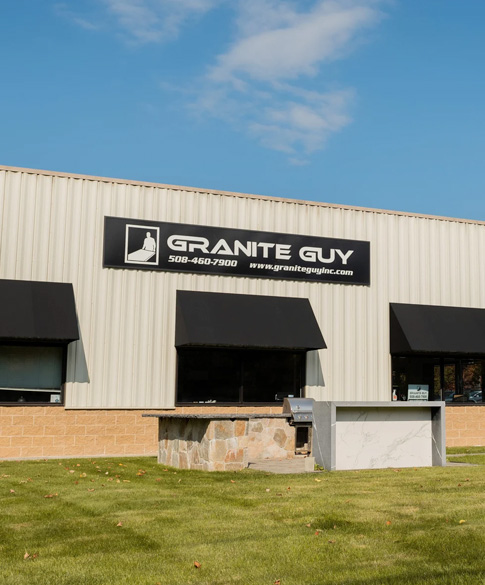
Written by The Granite Guy | Southborough, Massachusetts | December 28, 2025
🏠 Introduction
When you design or remodel your dream kitchen, one of the biggest choices you’ll make is the countertop.
You have likely spent hours searching for Countertop Companies Near Me, hoping to find a partner who understands your vision. After 30 years of fabricating and installing over 10,000 surfaces, I’ve learned what actually matters when choosing Kitchen Countertops Massachusetts homeowners will love for decades.
From selecting the right slab to pairing it with the best kitchen sinks, this isn’t another generic guide. This is what I tell every homeowner who walks into our Southborough showroom.
Here’s the truth: there’s no single “best” countertop material. What exists is the best countertop for you—for how you cook, how you live, and what you value.
❓ Start Here: Three Questions That Matter Most
Before looking at colors, ask yourself these three questions. Your answers will narrow down the field immediately.
1. How do you actually use your kitchen?
Do you cook daily? Do you bake often? Do you have kids who spill juice and leave it there? Or is your kitchen mostly for coffee and takeout? Your real-life usage matters more than any trend.
2. How much maintenance are you willing to do?
Some countertops need periodic sealing. Others you can forget about. Be honest—if you know you won't seal your countertops periodically, that rules out certain stones.
3. What is your actual budget?
Budget isn't just the cost of the slab. It’s the cost of the material + fabrication (cutting) + installation + edge profiles. A "cheap" tile backsplash might cost more in labor than a stone backsplash. Know the full picture.
📊 Quick Comparison by Category
- Quartz: High durability, zero maintenance, moderate heat resistance. ($50–$150/sq ft)
- Granite: High durability, moderate maintenance, excellent heat resistance. ($50–$100+/sq ft)
- Quartzite: Very high durability, moderate maintenance, excellent heat resistance. ($60–$150+/sq ft)
- Marble: Medium durability, moderate maintenance, timeless beauty. ($100–$150+/sq ft)
- Soapstone: Medium durability, low maintenance, classic New England look. ($70–$120/sq ft)
- Porcelain: High durability, zero maintenance, modern look. ($60–$120/sq ft)
✨ Quartz Countertops: The "Convenient" Choice
If I had to pick one word for Quartz Countertops, it is "Convenient."
This is an engineered stone, made by mixing crushed natural quartz with resin and pigment. Because it is man-made, it solves many of the "headaches" of natural stone. It is non-porous, meaning if you spill red wine or drop a piece of raw chicken, no bacteria or stains will seep in. For families in MetroWest with young kids, this is often the #1 choice.
- Pros: Never needs sealing, huge variety of colors (marble lookalikes), consistent patterns.
- Cons: Not as heat resistant as natural stone (use a trivet!), can look "too perfect" compared to natural stone.
🗻 Granite Countertops: The "Workhorse"
Granite put natural stone in American kitchens. And for good reason: it is tough, gritty, and heat-resistant.
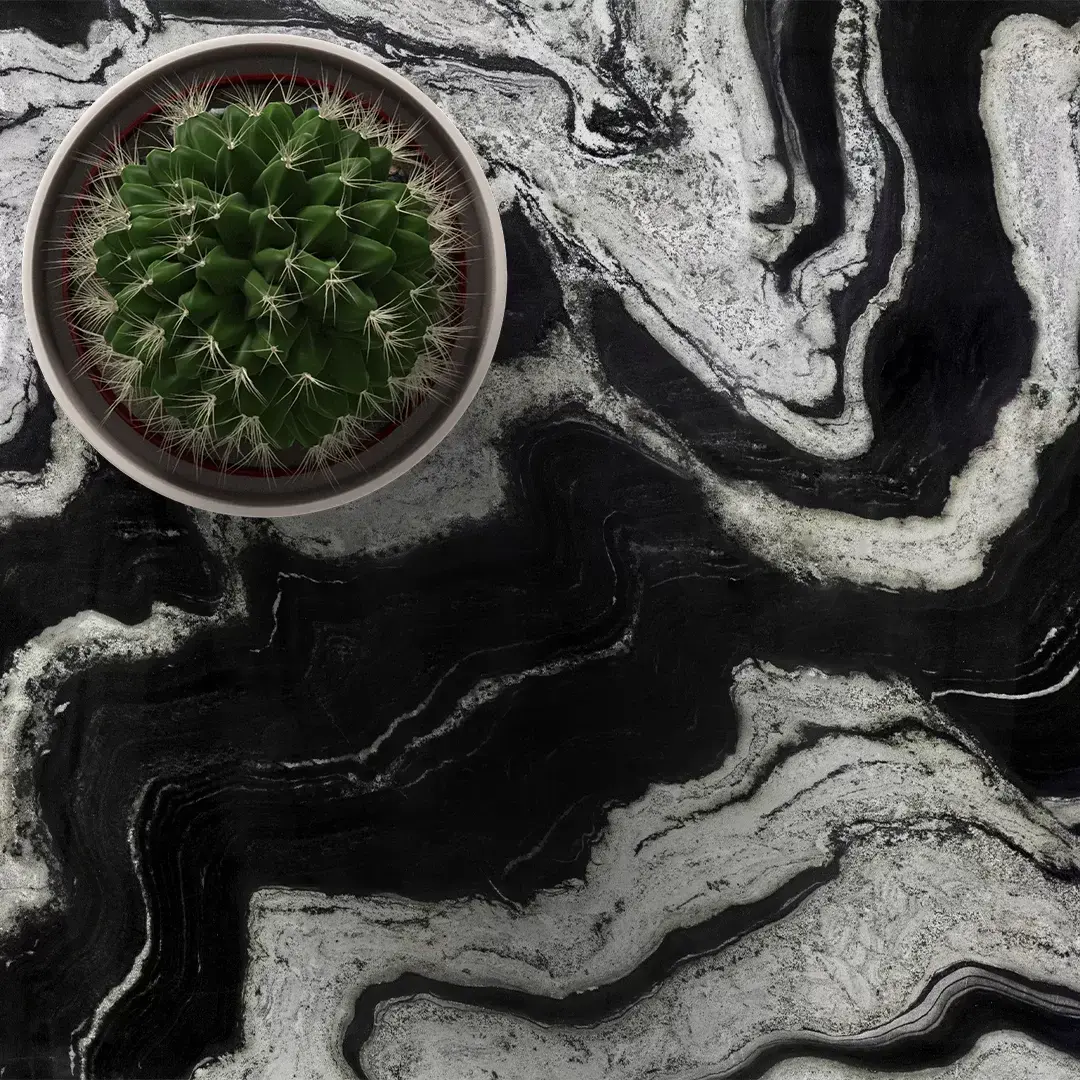
Granite is magma that cooled under the earth for millions of years. Those swirls and flecks are minerals that crystallized over time. Why do Massachusetts homeowners love it? Because it feels "real." No two slabs are identical. Plus, in the cold New England winters, granite holds up exceptionally well if you have an outdoor kitchen or a semi-heated space.
- Pros: Extremely scratch and heat resistant (hot pots are usually fine), adds resale value, unique one-of-a-kind art.
- Cons: Needs periodic sealing, patterns vary wildly so you must select your exact slab.
⚡ Quartzite Countertops: The Best of Both Worlds
Quartzite is often confused with Quartz, but they are opposites. Quartzite is 100% natural stone—it is sandstone that was cooked by the earth into an incredibly hard material.
It offers the "Holy Grail" of design: It looks like high-end Marble (white with gray veining) but wears like iron (harder than granite).
- Pros: The beauty of marble with the strength of granite. Resists etching better than marble.
- Cons: Expensive (often the highest price tier), requires sealing, hard to fabricate due to density.
🏛️ Marble Countertops: Timeless Elegance
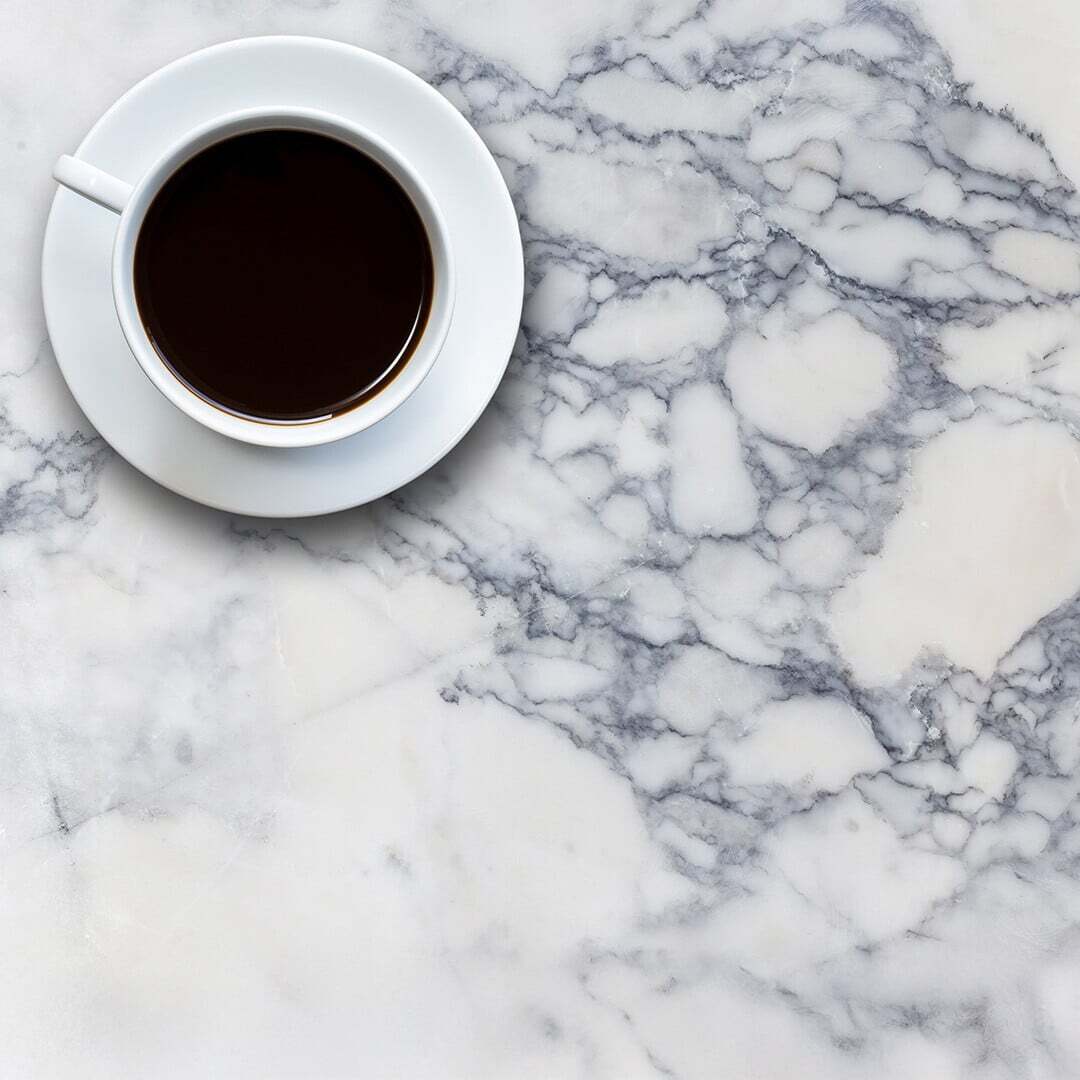
Marble brings timeless elegance to any kitchen. Yes, it requires more care than some materials, but with proper maintenance and the right finish, it’s absolutely manageable.
Bakers love it because it stays naturally cool (perfect for rolling dough). Historic homes in Boston and Beacon Hill often use marble to maintain period-correct aesthetics. Pro Tip: Ask us about "Honed" or "Leathered" finishes—they hide etching much better than polished marble!
- Pros: Unmatched beauty, timeless, increases home value, cool surface.
- Cons: Needs periodic sealing and care, can etch from acids (less visible with honed/leathered finishes).
🪨 Soapstone Countertops: The New England Heritage
Soapstone has been used in New England kitchens for centuries. It’s not a trend—it’s heritage. You see it in farmhouses from Vermont to the Cape.
It feels soft and powdery to the touch (like dry soap) but is incredibly dense. It is impervious to chemicals and heat. You can take a pan right off the stove and set it on soapstone. It develops a dark patina over time that tells the story of your kitchen.
- Pros: 100% heat proof, non-porous (no bacteria), scratches can be sanded out by the homeowner.
- Cons: Limited colors (shades of gray/green), scratches easily (though easy to fix), requires oiling if you want it to look black.
🔲 Porcelain Countertops: The Modern Choice
Porcelain slabs are newer to countertops, but we’re fabricating more each year.
Made from refined clay fired at extremely high temperatures, porcelain is dense, durable, and surprisingly lightweight. It can mimic marble, concrete, or even wood with incredible accuracy.
- Pros: Highly scratch, stain, and UV resistant; non-porous (no sealing required).
- Cons: Requires specialized fabrication, edges can chip if not handled properly.
- Best for: Modern kitchens, outdoor applications, and shower walls (no grout lines!).
🎯 Which One Matches Your Lifestyle?
- If you cook daily and entertain often: Go with Granite or Quartzite. You need heat resistance and durability.
- If you have kids and a busy household: Quartz is your best friend. It is forgiving, hygienic, and easy to clean.
- If you want the marble look without the stress: Look at Quartzite or high-end Marble-look Quartz.
- If you are a baker: Marble is traditional, but Quartz is a practical runner-up.
- If you want zero maintenance: Porcelain or Quartz. No sealing required, ever.
- If you’re budget-conscious: Granite (simpler patterns), Quartz (plain patterns from lesser-known brands), or Marble (busier Carrara varieties).
🏝️ The Best Stone for Kitchen Islands
Your kitchen island is often the hub of the home, taking more abuse than any other surface. When choosing stone specifically for an island, consider these design strategies:
The "Centerpiece" Effect
Many homeowners choose a neutral color for the perimeter counters (like a white Quartz or gray Granite) and go bold on the island. This is the perfect place to use a dramatic Quartzite or a leathered Granite with lots of movement to act as art in the room.
Handling Seams & Bookmatching
Slabs vary in size, but if your island is exceptionally large, you may have a seam. If you use natural stone with strong veins (like Marble or Quartzite), we can often "bookmatch" two slabs so the veins flow together like an open book, turning the seam into a deliberate design feature.
The Waterfall Edge Trend
We are seeing huge demand in Massachusetts for "Waterfall" islands, where the stone turns 90 degrees and flows down the side of the cabinetry to the floor. This looks stunning with Quartz or Quartzite, but requires precise fabrication to ensure the veins line up perfectly at the corner.
🔧 Beyond the Material: Edges & Finishes
Choosing the stone is only half the battle. The details are what make it feel custom.
Edge Profiles
A simple eased edge countertop is standard and timeless. If you want something more traditional, an "Ogee" edge adds curves. For a modern, thick look, we can do a "Mitered" or "Laminated" edge, which creates the look of a thicker slab.
Surface Finishes
You aren't stuck with "shiny."
- Polished is the standard glossy look that highlights the stone's color.
- Honed is a matte finish that feels softer and hides glare.
- Leathered has a textured, slightly bumpy feel. It is incredible for hiding water spots and fingerprints on dark granite.
🛠️ Installation: What to Expect
Finding a reliable Countertop Fabricator Near You is just as important as the stone itself. Good countertop installation starts with precise digital templating.
We measure every corner, outlet, and cutout using state-of-the-art digital templating equipment. We then lay out the digital template onto high-resolution photos of your actual slabs. You get to see exactly where the veins will flow and where seams will be before we cut a single stone.
Most kitchen installations take just a few hours. We arrive, secure the stone, mount the sink, drill faucet holes, and seal the surface.
Crucial Advice: Always work with a fabricator who has their own showroom and fabrication shop. You want to see the actual slabs you are buying, not just a sample size.
🧹 Care and Maintenance Simplified
Don't overcomplicate this. For Quartz and Porcelain, just wipe them down with mild soap and water. They never need sealing.
For Granite and Quartzite, you will need to seal them periodically. It depends on the specific stone—some need it more frequently, others less. We recommend testing periodically: if water soaks in instead of beading up, it’s time to seal. Read our full sealing guide here.
Marble needs care; wipe up acid spills (lemon, wine, vinegar) immediately to prevent etching. Soapstone is the outlier; you don't have to do anything, but many people oil it to keep it dark.
❓ Frequently Asked Questions
How long does installation take?
Most kitchens: a few hours for installation, depending on size, complexity, and location. Full timeline from selection to install is typically 1-2 weeks.
Can I install countertops myself?
For most kitchen projects, hire a professional. Slabs can weigh hundreds of pounds depending on size, and stone requires specialized tools and equipment for cutting and finishing.
What’s the most durable material?
Quartzite wins for pure durability—harder than granite. For everyday durability without thinking, Quartz is the winner (non-porous, no sealing).
Best for resale value?
Granite and Quartz are safe bets. Both signal “quality kitchen” to buyers.
Do I need to seal quartz?
No. Never. Quartz is engineered to be non-porous.
How often should I seal granite?
It depends on the specific stone. We recommend testing periodically—if water soaks in instead of beading up, it’s time to seal.
What’s the difference between quartz and quartzite?
Quartz: Engineered (man-made). Consistent patterns, non-porous, no sealing.
Quartzite: Natural stone. Natural veining, needs periodic sealing, harder than granite.
Completely different materials despite similar names.
Can chipped countertops be repaired?
Most stone countertops (Quartz, Granite, Quartzite, Marble, Soapstone) can be filled and color-matched by skilled repair specialists. Porcelain is the exception—it’s much harder to repair effectively.
Best countertop for busy families?
Quartz or Granite. Both handle chaos. Quartz is more forgiving (non-porous). Granite is tougher with heat.
📞 Ready to Choose Your Kitchen Countertops?
Reading about stone is helpful, but seeing it is essential. Photos cannot capture the depth of a Quartzite crystal or the texture of leathered Granite.
Visit the Granite Guy Inc. showroom to browse full slabs and speak with a fabricator who knows the material inside and out.
Granite Guy Inc.
📍 43 Turnpike Rd (Route 9), Southborough, Massachusetts
📞 508-460-7900
Service Area: Greater Boston, MetroWest, Central Mass—and across New England for the right projects.
Let’s build a kitchen that works as hard as you do.