Skip to content

Granite Countertops in Massachusetts

 Granite Countertops

(Granite Guy’s Thoughts)

A Legacy of Strength and Style

"Granite is the ultimate 'test of time' material. When I started as a stone fabricator in 1995, it was the only natural stone we used, and options were limited to just a few basic colors.

Today, 30 years later, our Southborough showroom imports exotic slabs from all over the world in every shade imaginable—purple, gold, green, and even rare blues. Yet, the classic New England character still resonates. You see it everywhere, from Boston’s high-rises to local monuments featuring Mahogany or Milford Pink granite.

Whether it’s polished, honed, or leathered, granite's versatility is unbeatable. I love seeing the look on a customer's face when they realize that a stone this durable can also be this spectacular."


From Our Showroom to Your Home: The Fabrication Advantage

We aren't just a place to browse samples — we are a full-service fabrication shop.. When you visit our Southborough showroom, you aren't just looking at samples—you are picking the exact slab that will be cut in our shop.

Using advanced CNC precision and waterjet technology, our team handles every template, cut, and polish in-house. This 'direct-from-fabricator' approach means better quality control, faster turnarounds, and seams that disappear.

Discover the Classic Beauty and Strength of Granite for Your Home

Granite has been the backbone of this industry for a reason. In 30 years of fabrication, I've worked with just about every countertop material out there — and granite remains the one I'd put in my own home without hesitation.

Below I'll walk you through everything you need to know. How it forms, where it comes from, how it compares to other stones, and how to take care of it once it's in your kitchen. If you're considering granite, this is a good place to start.

boston-library

The Key Benefits of Granite

  • Durability. I've been installing granite since 1995 and I still see my early jobs holding up perfectly. It scratches? Rarely. It cracks from heat? Almost never. This stuff is built to last.

    No Two Slabs Are the Same. That's not a marketing line — it's just true. When you pick a slab in our warehouse, that exact stone is yours. Nobody else has it.

    It Goes Everywhere. Kitchen, bathroom, fireplace, outdoor kitchen — granite handles all of it. Most materials can't say that.

    Easy to Live With. Wipe it down, seal it once a year, and you're done. I've seen granite countertops that are 25 years old and still look brand new.

    It Holds Its Value. Homebuyers notice granite. Realtors notice granite. It's one of the few upgrades that actually comes back to you when it's time to sell.

granite-magma

Formation of Granite

Granite is an igneous rock — formed deep beneath the Earth's surface as magma slowly cools and crystallizes over millions of years. That slow process is what gives granite its signature coarse-grained texture and large visible crystals.

It's made up primarily of quartz, feldspar, and mica. The varying amounts of each mineral are what create the wide range of colors and patterns you see from slab to slab — which is why no two pieces of granite ever look exactly the same.

History of Granite in New England

New England has deep roots in granite, dating back to the 19th century when the region became one of the country's premier quarrying hubs.

Vermont's Barre Granite built monuments and sculptures still standing today. New Hampshire — the "Granite State" — supplied stone for the Library of Congress and the New York Public Library.

Maine's island quarries in Penobscot Bay contributed to the Brooklyn Bridge and the Washington Monument. And right here in Massachusetts, granite from Quincy built the Bunker Hill Monument, with quarrying stretching from Cape Ann to Westford as far back as the 1820s.

The Boston Public Library, the Massachusetts State House, and countless courthouses and monuments across the region all carry that same legacy. Granite isn't just a building material here — it's woven into the culture and character of New England.

"Carrying on this New England tradition, Granite Guy Inc. has been fabricating and installing granite countertops for MetroWest homeowners since 1995, bringing the same commitment to craftsmanship into MetroWest kitchens and homes with the precision of modern fabrication technology.


Sources of Granite

Sources of Granite

Granite is sourced from quarries around the world, each region offering distinct varieties with unique colors and patterns:

Brazil: Known for its vibrant and exotic granites, Brazilian varieties such as "Ubatuba" and "Santa Cecilia" are popular for their rich colors and intricate patterns.

India: Indian granite, like "Black Galaxy" and "Kashmir White," is renowned for its striking beauty and durability.

Italy: Italy offers high-quality granites such as "Bianco Sardo" and "Baltic Brown," known for their elegance and fine grain.

China: Chinese granite, including "G682" and "China Black," provides a wide range of affordable and attractive options.

United States: The U.S. has notable granite quarries, particularly in states like Vermont, New Hampshire, and Georgia, producing varieties such as "Barre Gray" and "Georgia White."
AdobeStock_494462448

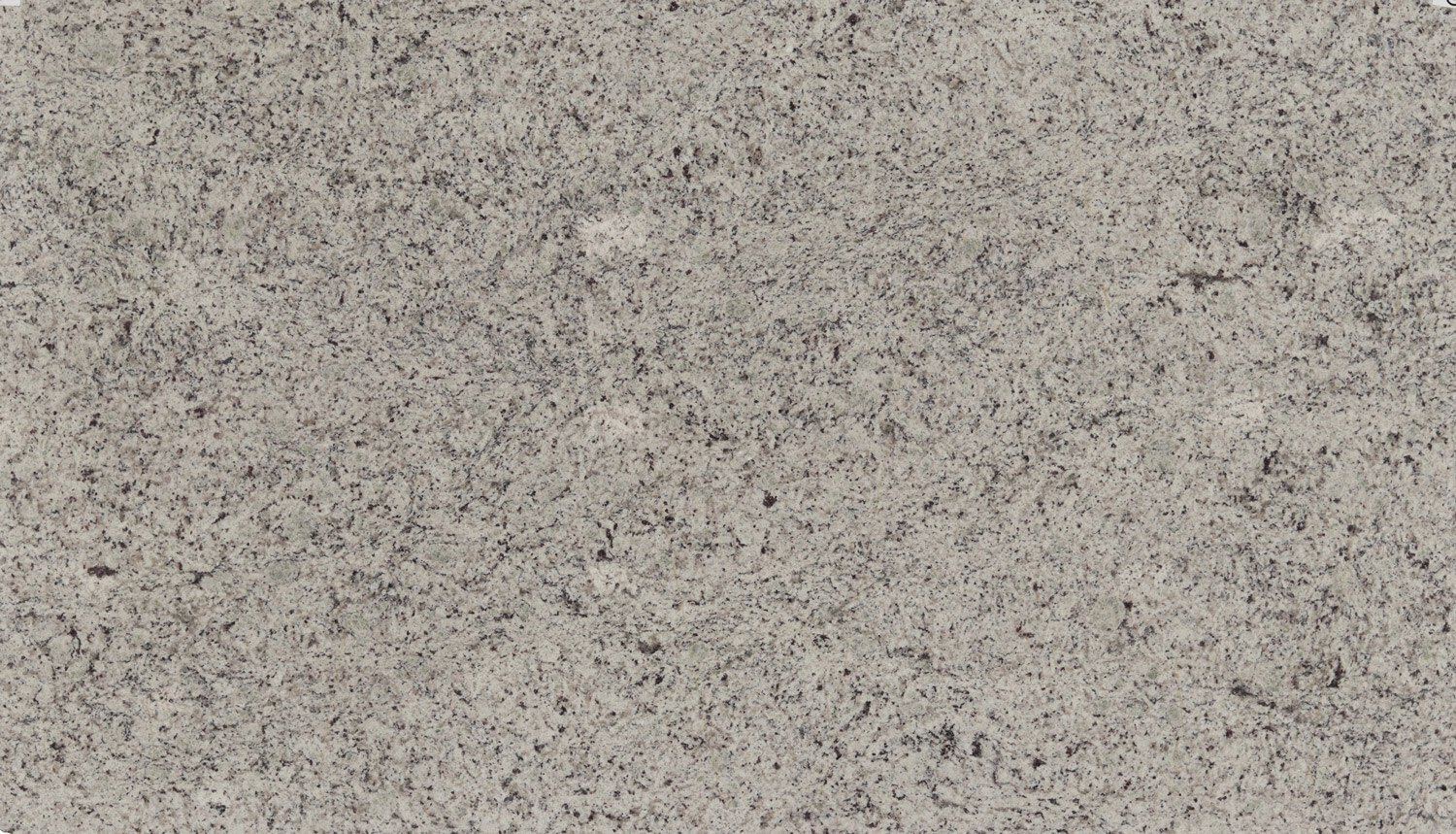
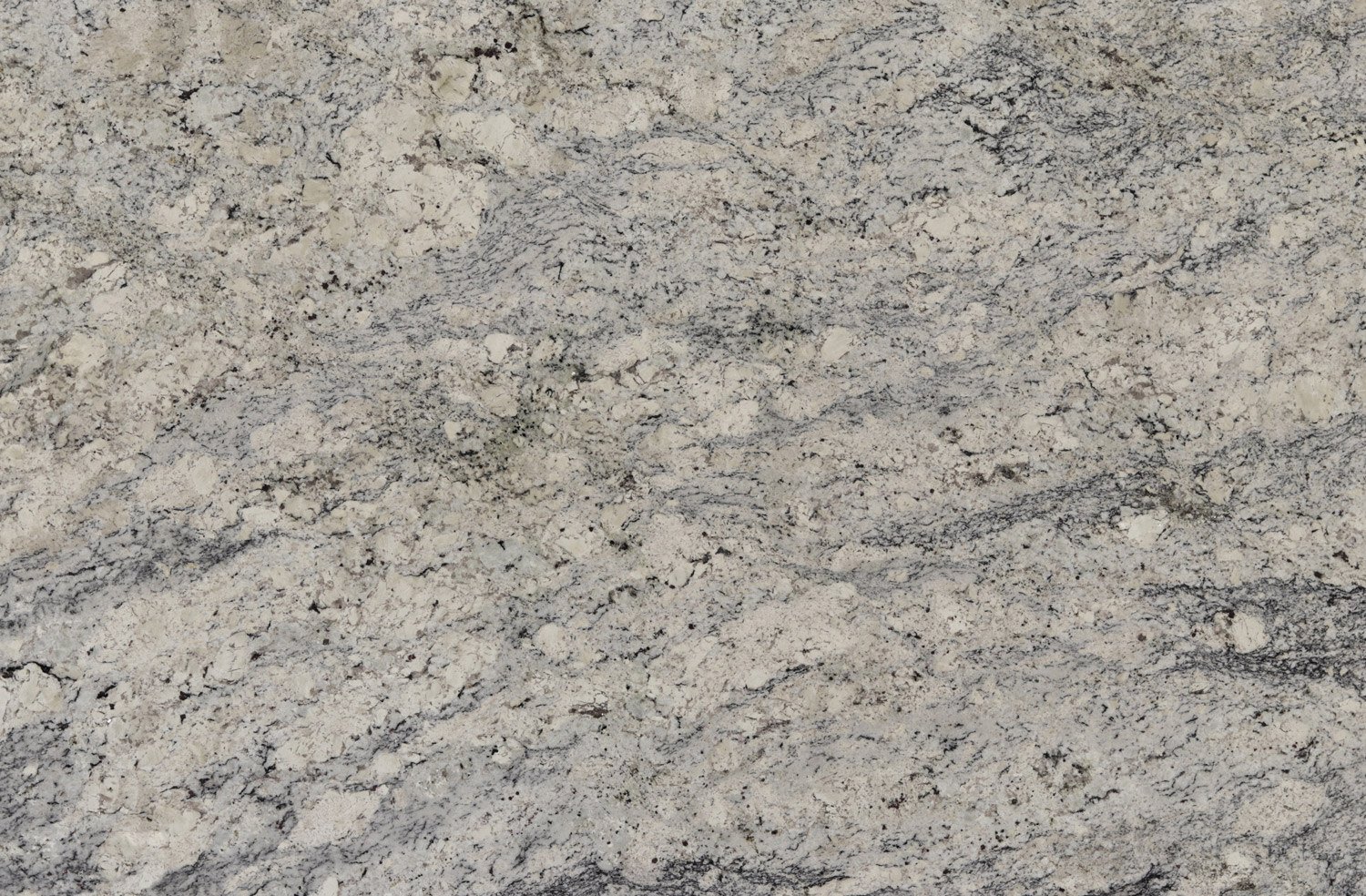
Colonial White:

A sophisticated granite from India featuring a soft white background with gray and black speckles, offering a subtle and elegant look.

granite-river-white

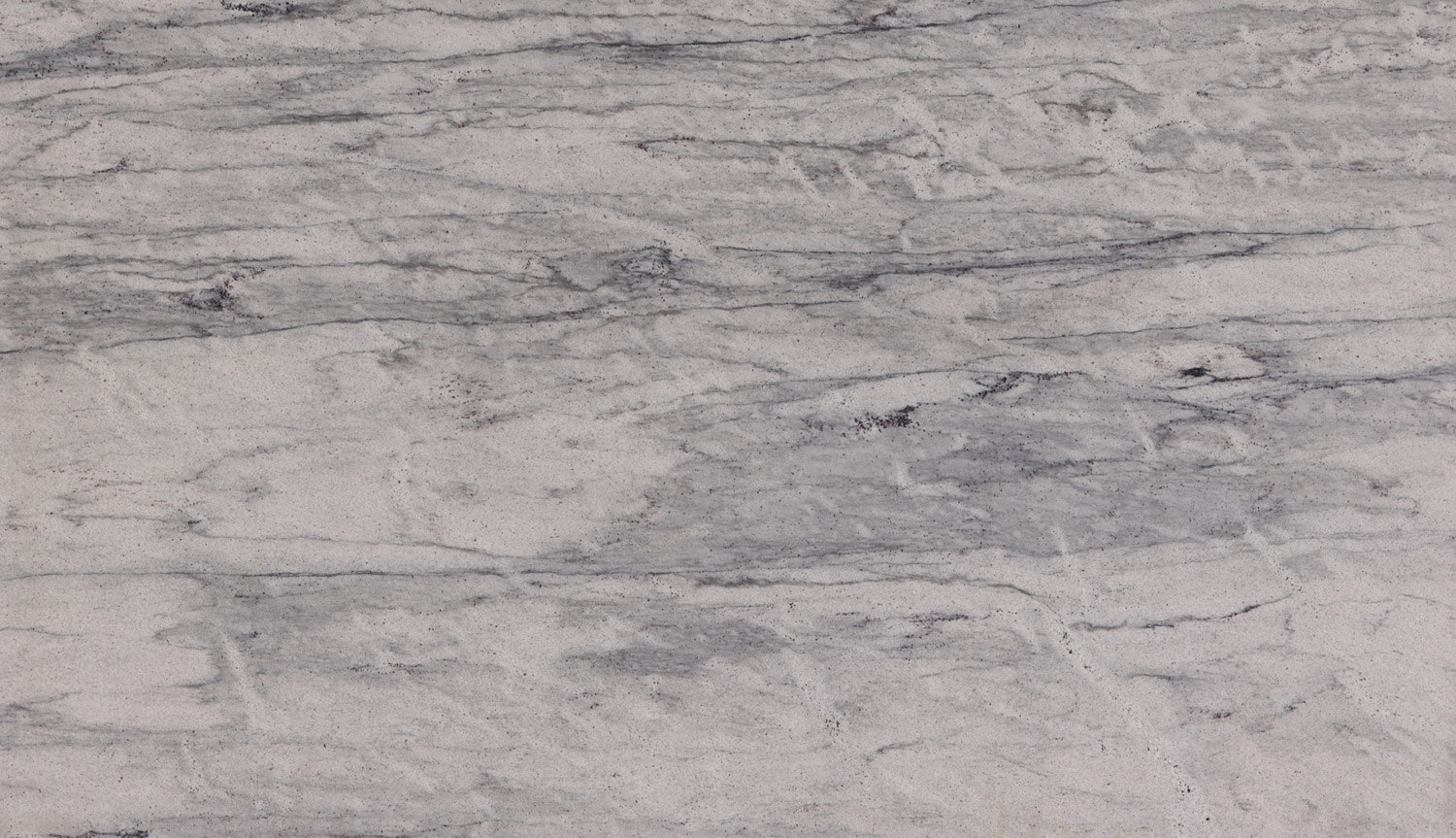
River White:

A striking granite with a creamy white background and flowing gray and burgundy veining, adding movement and character to any space.

granite-jet-mist

Jet Mist:

A dark gray to black granite from the USA, known for its soft white veining, resembling a soapstone look but with the durability of granite.

granite-titanium-gold

Titanium Gold:

A bold and dramatic granite featuring a deep black background with striking gold and white veining, creating a luxurious appearance.

granite-ornamental-white

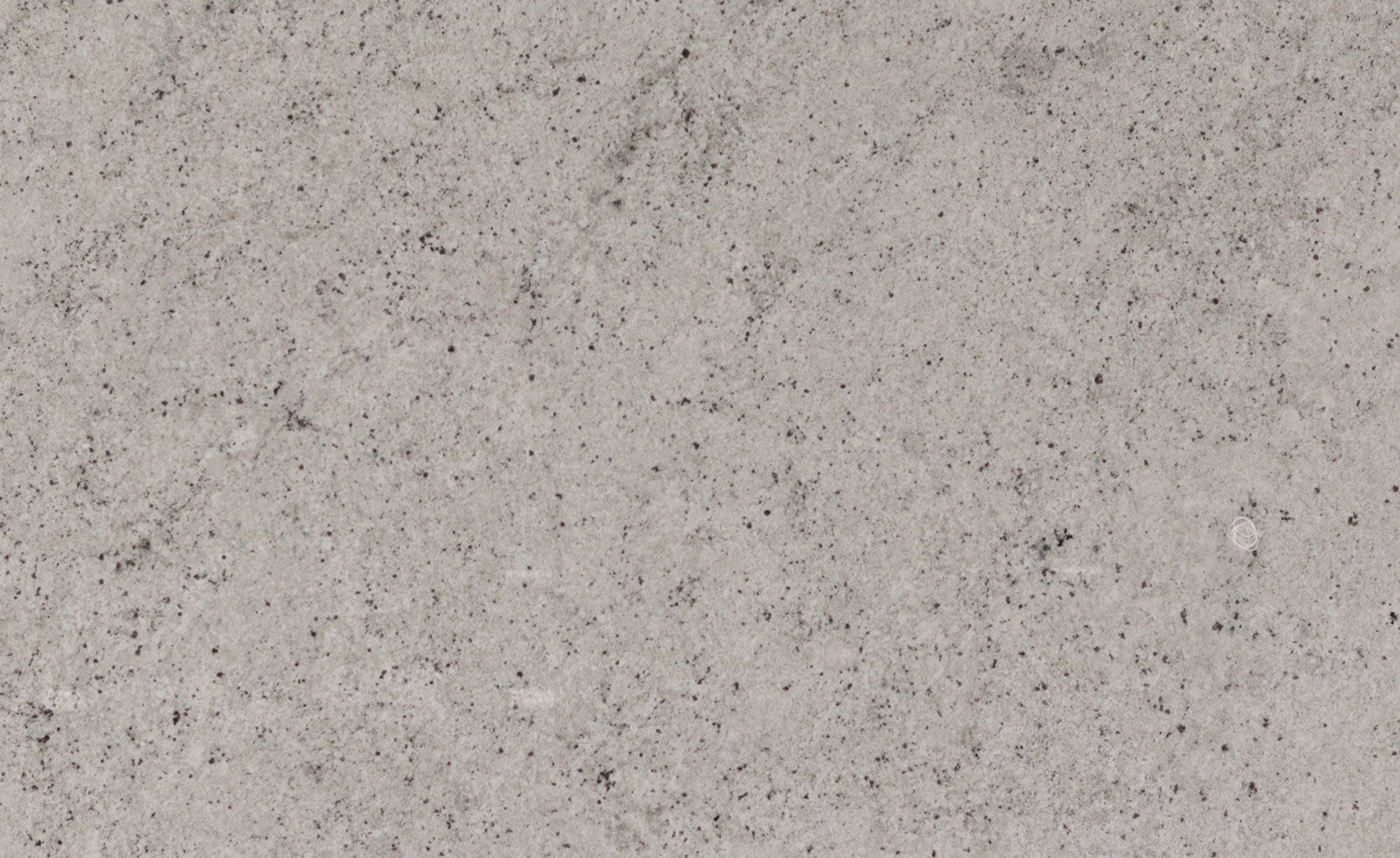
Ornamental White:

A warm and inviting granite with a creamy white base, highlighted by soft gray and beige speckles, making it a versatile choice.

granite-silver-waves

Silver Waves:

A stunning black and gray granite with flowing silver and white veining, giving it a unique and dynamic visual appeal.


Why Granite Is So Popular

Granite’s combination of beauty and strength has driven its popularity. Homeowners and designers appreciate its natural elegance, which adds a touch of luxury to any space. Its resistance to heat and scratches makes it a practical choice for high-use areas, such as kitchens and fireplaces.  The overall durability, combined with striking colors, is a big factor in the growing popularity of granite countertops.

Comparisons with Other Materials

chevron

Granite vs. Quartzite:

While both are durable natural stones, quartzite is harder and more resistant to scratches than granite. Granite offers a wider range of colors and patterns, while quartzite’s unique crystalline structure provides a distinct, elegant look.

chevron

Granite vs. Marble:

Marble is softer and more prone to etching and staining compared to granite. Granite’s durability makes it a better option for high-traffic areas like kitchens, while marble’s timeless beauty is often chosen for bathrooms and less demanding spaces. Marble is prized for its many white or gray varieties; in contrast, granite has very few white options but many more rich, bright colors to choose from.

chevron

Granite vs. Engineered Quartz:

Engineered quartz is a man-made material composed of crushed quartz bound with resin. It is non-porous and requires less maintenance than natural granite. However, granite’s natural beauty and unique patterns offer a level of sophistication that engineered quartz cannot replicate. Granite can also be used for fireplaces and outdoor kitchens, while quartz typically is not used for those types of projects.

chevron

Granite vs. Soapstone:

Soapstone is a softer, non-porous natural stone known for its smooth feel and heat resistance. It darkens over time and can develop a patina. While soapstone is easy to maintain and repair, it is more prone to scratches and dents compared to granite. Granite offers more color and pattern variety and greater durability. With proper maintenance, granite will look the same year after year, while soapstone will tend to age and look worn.

chevron

Granite vs. Onyx:

Onyx is a striking, translucent stone often used for decorative purposes. It is softer and more brittle than granite, making it less suitable for high-use surfaces. Onyx requires more careful maintenance and is more prone to scratching and etching. Granite provides a more practical and durable option while still offering stunning natural beauty.

How much per square foot? That's the most asked question I get. But it's not that simple.

Granite is generally one of the more affordable natural stones — it tends to come in under marble, quartzite, onyx, and soapstone on average. But "on average" does a lot of work in that sentence. Every material has budget-friendly options and high-end options, and granite is no different.

A few things that actually drive the price:

  • Rarity. A common colonial white costs less than a rare blue or exotic Brazilian slab — not because one is better, but because one is harder to get.
  • Color and demand. Popular colors move fast and price accordingly. Less popular colors can be a great value even if the stone itself is just as beautiful.
  • Slab size and waste factor. Bigger kitchens, unusual layouts, and matched veining all affect the final number.
  • Finish. Polished, honed, and leathered finishes can carry different price points depending on the material.

Long story short — we work with suppliers at every price point, and there's almost always a granite that fits your budget without sacrificing quality. The best way to figure out what your project actually costs is to come in, look at slabs, and let us put together a real number for you.


Granite offers beauty, durability, and great value. 

Applications in the Household

Granite is versatile and can be used in various applications around the home:

  • Kitchen Countertops: Granite’s durability and resistance to heat and scratches make it an excellent choice for kitchen countertops. It provides a stunning, high-end look that can elevate the overall aesthetic of the kitchen.
  • Bathroom Vanities: Granite’s natural beauty and resistance to moisture make it ideal for bathroom vanities. It adds a luxurious feel while standing up to daily use.
  • Fireplace Surrounds: The unique patterns and colors of granite create striking fireplace surrounds that serve as focal points in living spaces.
  • Backsplashes and Walls: Granite’s aesthetic appeal makes it a popular choice for backsplashes and accent walls, adding texture and visual interest to any room.
  • Outdoor Kitchens:  Granite’s extreme durability makes it an excellent choice for many kinds of outdoor projects, including kitchens.

Care and Maintenance of Granite Countertops

Maintaining granite countertops involves regular cleaning and sealing to preserve their beauty and functionality:

  • Cleaning: Use a mild dish soap and warm water for daily cleaning. Avoid abrasive cleaners and harsh chemicals that could damage the surface.
  • Sealing: Granite is porous and should be sealed to prevent staining. Depending on the level of use, sealing should be done annually or biannually. A high-quality stone sealer will help protect the surface and maintain its appearance.
  • Preventive Measures: Use trivets or hot pads for hot cookware, and cutting boards for food preparation to avoid potential damage. Clean up spills promptly to prevent staining.

Pros and Cons of Using Granite for a Kitchen Countertop

Pros

  1. Durability: Granite is highly durable and resistant to scratches, heat, and stains, making it ideal for high-traffic kitchen areas.
  2. Aesthetic Variety: Granite offers a wide range of colors and patterns, ensuring that each countertop is unique.
  3. UV Resistance:  Granite’s resistance to UV radiation means It won’t fade or discolor when exposed to sunlight. 
  4. Low Maintenance: Granite is relatively easy to maintain with regular sealing and simple cleaning routines.
  5. Natural Beauty: The natural patterns and colors of granite add a luxurious and sophisticated touch to any kitchen.

Cons

  1. Limited in Whites: True white granite is rare, but we offer beautiful off-white hues that are trendy and elegant.
  2. Seams: In larger installations, seams may be visible, which can affect the uniform appearance of the countertop.
  3. Porosity: Granite is porous and requires periodic sealing to prevent staining.

🪨 Granite Countertop FAQs

Q. Is granite a good choice for kitchen countertops?

A. Granite is one of the best materials for kitchens — it resists heat, scratches, and daily wear, and no two slabs look alike.


Q. Does granite need to be sealed?

A. Yes. Because granite is porous, it should be sealed once a year (or every two years for lower-use surfaces) with a high-quality stone sealer.


Q. How do I clean granite countertops?

A. Mild dish soap and warm water is all you need for everyday cleaning. Avoid abrasive scrubbers and harsh chemical cleaners — they can break down the sealer over time.


Q. Can granite be used outdoors?

A. Absolutely. Granite's extreme durability and UV resistance make it a great choice for outdoor kitchens, bars, and other exterior applications.


Q. How does granite compare to marble?

A. Granite is harder and far more resistant to etching and staining than marble, making it the better option for busy kitchens. Marble tends to work better in lower-traffic areas like bathrooms.


Q. Is granite more expensive than other countertop materials?

A. Granite is generally more affordable on average than marble, quartzite, onyx, and soapstone. That said, price varies by color, rarity, and demand — not just by material.


Q. Does granite come in white?

A. True white granite is rare, but there are beautiful off-white and light-toned options — like Colonial White, River White, and Moon White — that are very popular right now.


Q. Can granite handle hot pots and pans?

A. Granite is naturally heat resistant, but we still recommend using trivets or hot pads. It protects both the stone and the sealer over the long run.


Q. What's the difference between granite and engineered quartz?

A. Quartz is man-made, non-porous, and requires less maintenance. Granite is a natural stone with one-of-a-kind patterning that quartz simply can't replicate — and granite can also be used for fireplaces and outdoor kitchens, where quartz typically can't.


Q. Does Granite Guy fabricate and install, or just sell slabs?

A. We do it all in-house — templating, cutting, polishing, and installation — right from our Southborough shop. When you come in, you pick the exact slab that ends up in your home.


  •  

Transform Your Home with Granite

Granite is a remarkable natural stone that combines aesthetic appeal with exceptional durability. Its wide range of colors and patterns can enhance any home interior. Whether you’re looking to upgrade your kitchen countertops, bathroom vanities, or fireplace surrounds, granite offers a perfect blend of beauty and practicality.

Ready to transform your home with the classic beauty of granite? Contact us today to explore our wide selection of granite options and start creating the home of your dreams.